hello@yurtinthedirt.com.au
 +61 489 269 088


 0 Comments
 Share
Share
The Future of Portable Homes in Australia: Trends in Transportable, Modular & Glamping Structures
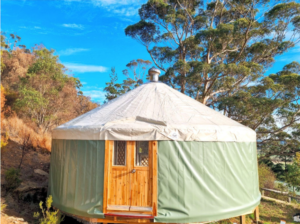
As Australians seek flexible and sustainable housing solutions, the demand for portable homes Australia is growing rapidly. From remote retreats to glamping setups, portable and transportable homes are redefining living spaces, offering mobility, affordability, and adaptability. Modern trends in design and technology are shaping the future of these homes, including modular construction, eco-friendly materials, and innovative assembly methods. Companies like Yurt in the Dirt are at the forefront, offering solutions that cater to a variety of lifestyles while complying with Australian building standards.
This article explores emerging trends in transportable homes Australia, modular designs, and glamping structures, highlighting what buyers and developers need to know about these versatile living options.
Understanding Portable, Transportable, and Modular Homes
Portable Homes Australia
Portable homes Australia are structures designed for easy relocation and assembly. These homes are often delivered in modular components, allowing flexibility for installation on various sites, including rural properties or tight urban spaces. Portable homes are increasingly popular as secondary dwellings, backyard studios, and eco-friendly retreats.
Transportable Homes Australia
Transportable homes Australia are similar in concept but are typically pre-assembled to a large degree before delivery. They are designed to be relocated if necessary but usually require wider access roads and specialized transport equipment. Transportable homes are commonly used for permanent residences, tourism accommodation, and remote workspaces. Yurt in the Dirt provides engineering-compliant transportable homes suited for Australian climates and landscapes.
Modular Homes Australia
Modular construction involves factory-built sections that are assembled onsite. These homes offer design flexibility, faster construction times, and consistent quality. Modular homes are becoming more integrated into the portable homes Australia market, providing cost-effective and sustainable solutions for urban and rural buyers alike.
Key Trends in the Future of Portable Homes
Sustainability and Eco-Friendly Materials
One of the most significant trends in portable homes Australia is sustainability. Builders and consumers are increasingly focusing on eco-friendly materials, renewable energy integration, and energy-efficient designs. Common features include recycled timber, solar panels, rainwater harvesting systems, and high-performance insulation. These elements reduce environmental impact and long-term operating costs, making portable and transportable homes more appealing to environmentally conscious buyers.
Increased Mobility and Flexibility
Future transportable homes Australia are designed with mobility in mind. Lightweight, modular components allow for easy relocation, meaning homeowners can adapt their property to changing lifestyle needs. Mobility is especially important for rural or remote areas, where conventional construction is difficult, expensive, or impractical. Yurt in the Dirt emphasizes design solutions that balance stability, durability, and transportability.
Integration of Smart Technology
Smart home technologies are gradually making their way into portable homes Australia. Automated lighting, climate control, and security systems are being integrated into transportable and modular designs, offering homeowners enhanced convenience and efficiency. These features are particularly valuable in off-grid or glamping settings, where remote monitoring and control improve both safety and comfort.
Glamping and Alternative Accommodation
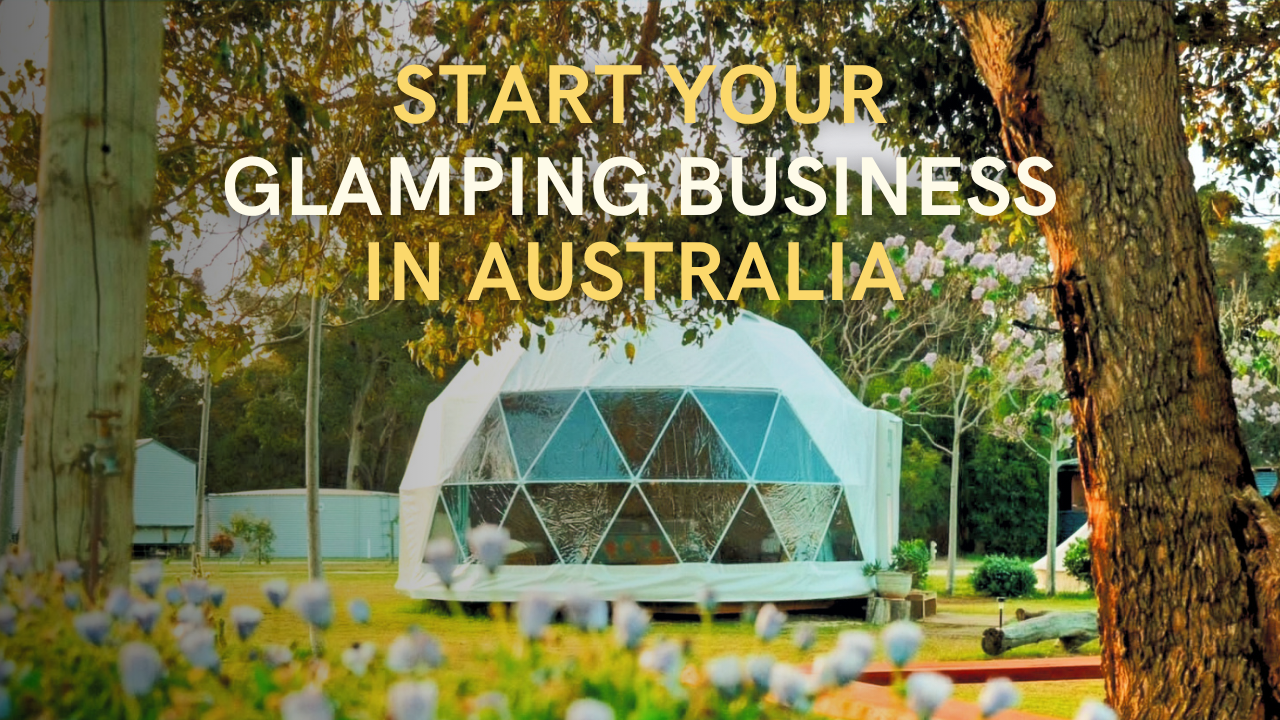
Glamping structures are a rapidly expanding segment of the portable homes Australia market. Designed for tourism and recreational use, these homes combine comfort with immersive outdoor experiences. Modular yurts, safari tents, and eco-pods are increasingly deployed on private properties, resorts, and eco-tourism sites. The trend reflects a broader consumer preference for unique, experiential accommodation options that are both temporary and reusable.
Design and Customisation Trends
Flexible Layouts
Future portable homes Australia offers flexible interior layouts that accommodate a variety of uses. Open-plan living, multi-functional rooms, and expandable spaces allow homeowners to tailor the home to their needs. This flexibility is particularly important in smaller portable homes or modular designs where efficient space usage is essential.
Durable and Weather-Resistant Materials
As climate variability becomes a concern in Australia, portable and transportable homes are increasingly constructed with weather-resistant materials. Steel frames, treated timber, and reinforced composites ensure longevity, structural stability, and resistance to extreme weather events. Yurt in the Dirt designs its transportable homes to withstand harsh Australian conditions, balancing durability and lightweight construction.
Prefabrication and Faster Assembly
The trend toward prefabrication continues to grow, allowing modular sections of homes to be built in controlled factory environments before assembly onsite. This approach minimizes construction delays, reduces waste, and maintains consistent quality. Prefabrication is a core feature of modern portable homes Australia and transportable homes Australia, helping to streamline delivery and installation.
Advantages of Modular and Transportable Construction
A comparison of different types of portable housing demonstrates the practical benefits of modular and transportable designs:
| Feature | Portable Homes | Transportable Homes | Modular Homes |
| Assembly | Onsite assembly required | Minimal onsite assembly | Prefabricated sections assembled onsite |
| Mobility | Easy to relocate | Moderate relocation possible | Semi-permanent, some sections relocatable |
| Customisation | High | Moderate | High |
| Construction Time | Moderate | Fast | Fast |
| Durability | Moderate to high | High | High |
| Cost | Affordable | Higher | Moderate |
This table illustrates that modular and transportable homes provide a balance between mobility, quality, and customization. Portable homes Australia remain the most versatile option for buyers seeking temporary or flexible housing solutions.
Factors Driving the Popularity of Portable Homes
Cost-Effectiveness
Compared with traditional construction, portable homes Australia and transportable homes Australia are often more affordable, particularly when factoring in reduced labor and shorter construction timelines. Prefabricated components and modular designs minimize waste and delays, further improving cost efficiency.
Urban and Rural Adaptability
Portable and modular homes are highly adaptable to both urban infill sites and rural properties. Smaller footprints allow for placement on compact land, while modular designs can expand to accommodate additional rooms or amenities as needed. Yurt in the Dirt emphasizes designs suitable for diverse Australian sites, from backyard studios to remote glamping setups.
Lifestyle Flexibility
The flexibility of portable homes Australia supports diverse lifestyle choices. Homeowners can use these structures as secondary dwellings, offices, vacation cabins, or rental accommodations. Glamping and eco-tourism applications are increasingly common, reflecting the growing consumer demand for flexible, multi-use properties.
Regulatory Considerations
Building approvals and compliance remain important considerations. Transportable homes Australia must adhere to local council regulations, NCC standards, and, in some regions, bushfire attack level (BAL) ratings or cyclone resistance requirements. Buyers of portable homes Australia should ensure that engineering certificates, documentation, and approvals are provided by the manufacturer to avoid delays or legal issues. Yurt in the Dirt ensures all its kits comply with applicable Australian building codes.
Future Outlook
The future of portable homes Australia is strongly influenced by trends in sustainability, mobility, technology, and customization. Modular and transportable designs will continue to evolve, integrating smart systems, renewable energy solutions, and eco-friendly materials. Glamping and alternative accommodation markets are expected to expand, offering both homeowners and investors innovative ways to use portable structures.
Manufacturers like Yurt in the Dirt are likely to lead this evolution, providing products that meet market demands while maintaining safety, compliance, and durability.
FAQs
What is the difference between portable and transportable homes?
Portable homes are delivered in modular components suitable for relocation, while transportable homes are largely pre-assembled, requiring wider access and sometimes specialized equipment.
Can portable homes be used as permanent residences?
Yes. When properly engineered, insulated, and compliant with NCC standards, portable homes Australia can serve as permanent dwellings.
Are modular homes more cost-effective than traditional construction?
Generally, yes. Modular construction reduces labor, minimizes waste, and accelerates construction timelines, making it a cost-effective option compared to conventional methods.
Do glamping structures fall under portable homes?
Yes. Many glamping structures use modular or transportable construction methods, offering temporary yet comfortable accommodation options.
How do I ensure compliance with Australian standards?
Always request engineering certifications, documentation, and compliance verification from the manufacturer. Brands like Yurt in the Dirt provide full compliance for transportable homes Australia and portable homes Australia.
 Tags:
Tags: 0 Comments
 Share
Share By Muhammad