hello@yurtinthedirt.com.au
 +61 489 269 088


 0 Comments
 Share
Share
Airbnb Glamping Australia: Real Income, Costs & ROI
Airbnb glamping in Australia looks simple from the outside. A nice yurt or dome, a few clean photos, a couple of booked weekends – and suddenly the numbers start looking pretty attractive.
We’ve worked with enough yurt and dome projects across Australia and New Zealand to see exactly where it works – and where it quietly falls apart. The truth is straightforward: a well-planned setup can absolutely make money. But only if the location, approvals, guest experience, pricing, and operating costs actually stack up in the real world.
In this guide, we cover:
- What makes a yurt or dome Airbnb commercially viable
- Realistic revenue scenarios across conservative, realistic, and strong-performer setups
- The startup costs most people forget before the first guest arrives
- The operating costs that quietly eat into margin
- What improves ROI fast – and what kills it just as quickly
If you’re weighing up whether a yurt or dome project belongs on Airbnb, Hipcamp, or both, the right question is not whether glamping can make money. It can. The real question is whether your site, your budget, and your execution can support the type of listing that actually gets booked and reviewed well.
Most glamping projects do not fail because the idea is bad. They fail because the assumptions were too optimistic.
1. Quick Answer: Can a Yurt or Dome Airbnb Make Money?
Yes – it can. A well-executed glamping setup can produce strong nightly rates and healthy margins, especially in tourism regions, wine areas, hinterland locations, and rural escapes within a few hours of a major city.
But there is no universal income number. A polished dome near a proven destination with great access and a proper bathroom setup is a very different proposition from a basic structure on a random paddock with no clear guest demand.
The projects that perform best are rarely the cheapest ones. They’re the ones that feel intentional, guest-ready, easy to book – and worth talking about.
Short version: a great structure helps, but the money usually comes from the combination of location, comfort, access, guest experience, and pricing discipline.
2. What Most People Get Wrong
The biggest mistake is confusing revenue with profit. People see a listing at $380 a night and assume the money just rolls in. What they forget is everything behind that number – platform fees, cleaning, linen, insurance, utilities, maintenance, consumables, repairs, and the occasional quiet stretch.
The second mistake is assuming all unique accommodation gets the same demand. It doesn’t. A yurt in Margaret River, a dome near Daylesford, and a setup on an isolated rural block are playing completely different games. Location does most of the heavy lifting.
The third mistake is underestimating guest expectations. The market has matured. Guests aren’t paying just because something is round or different anymore. They’re paying for a complete experience that feels comfortable, considered, and worth the price.
What helps
- Strong location with real travel demand
- Clean access and easy arrival
- Good photos and a listing that feels polished
- Climate comfort and private bathroom planning
- A setup that feels finished – not temporary
What hurts
- Weak positioning and poor access
- Unclear approvals or rushed planning
- Unrealistic pricing from day one
- Cheap fit-out in exactly the places guests notice
- Assuming “unique” automatically means “bookable”
What wins: a project designed as a guest experience from day one – not just a structure dropped on land and hoped for the best.
3. Real Revenue Scenarios for a Yurt or Dome Airbnb in Australia
Most projects don’t fail because the numbers are bad – they fail because the assumptions were. That’s why it helps to model a conservative scenario, a realistic scenario, and a strong-performer scenario before you spend a cent.
| Scenario | Nightly Rate | Occupancy | Gross Annual Revenue | What it looks like |
|---|---|---|---|---|
| Conservative | $220–$280 | 40–50% | $32k–$51k | Basic setup, weaker location, still finding traction |
| Realistic | $280–$380 | 50–65% | $51k–$90k | Well-positioned, good styling, proven region |
| Strong performer | $380–$550+ | 60–75% | $83k–$150k+ | Premium build, standout location, high guest appeal |
If you’re serious about this, plan around the middle row first. Not the dream number. Not the disaster number. The defensible one.
A simple rule of thumb: use your realistic scenario to decide if the project works. Use your conservative scenario to decide if you can sleep at night.
4. What You’ll Spend Before Your First Guest Arrives
This is where most people underestimate things. The structure matters – but it’s the overall experience that gets booked. By the time you factor in base, services, access, and fit-out, the total project cost looks very different from the initial headline number.
- Structure. The yurt or dome is the core asset, but it is only one part of what guests are actually paying for.
- Delivery and access. Freight, rural access, machinery, and site logistics can move the total quickly.
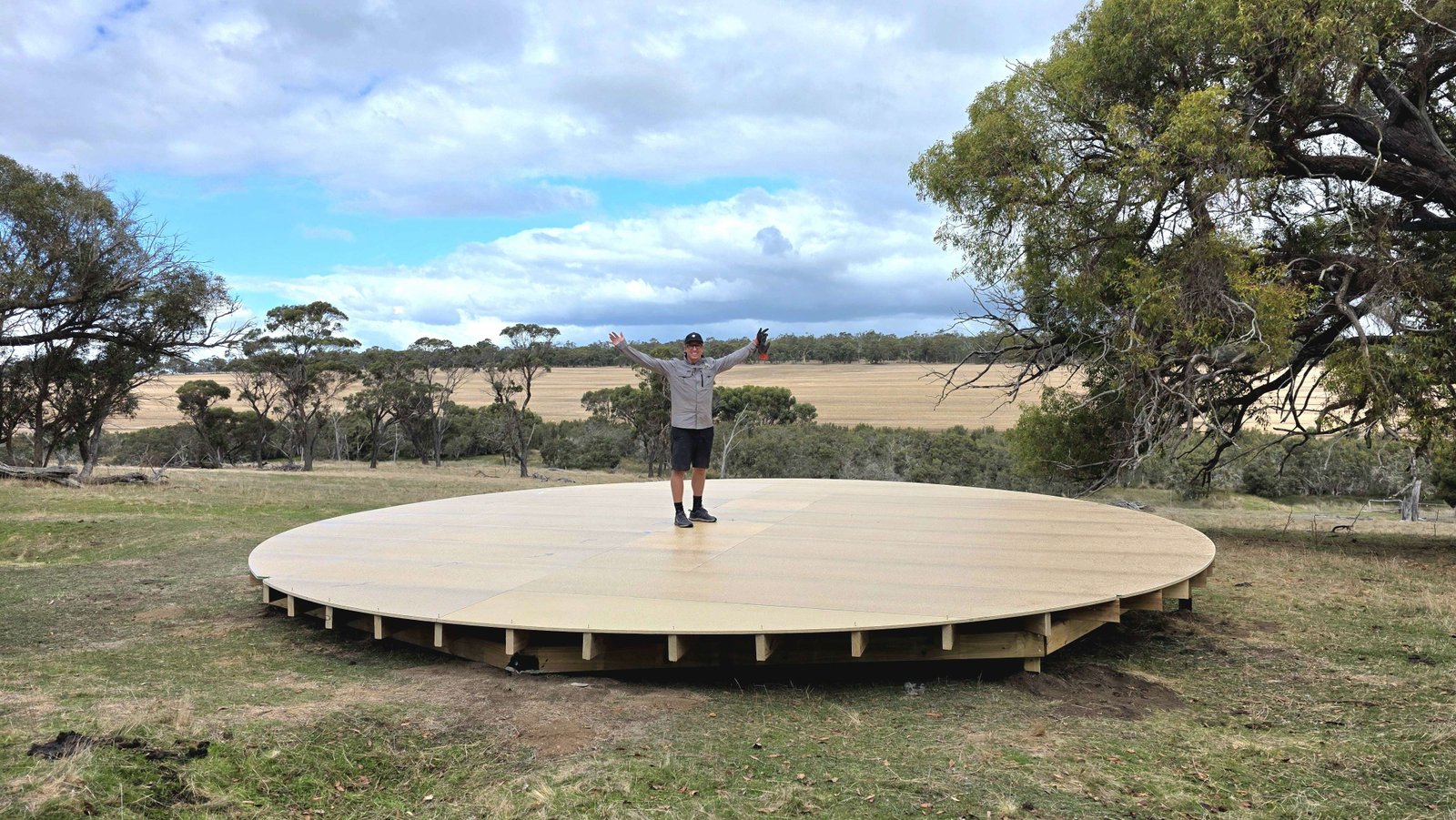
- Deck or platform. This affects the finish, the feel, and the first impression in every photo.
- Bathroom and wastewater. One of the biggest practical and commercial variables in the whole setup.
- Electrical or off-grid setup. Comfort, safety, and guest expectations all sit here.
- Furniture and styling. The difference between a space that feels bookable and one that feels temporary.
- External experience. Paths, fire pit, landscaping, and arrival feel all shape reviews and pricing power.
- Approvals and professional advice. If ignored early, these can become expensive later.
If you only budget for the structure, you’re not budgeting for the actual business.
5. Ongoing Costs That Eat Into Profit
Once you go live, this isn’t a build project anymore – it’s a hospitality business. Margins depend heavily on how you run the operation, especially cleaning, turnover frequency, and service level.
| Ongoing Cost | How It Affects You |
|---|---|
| Platform fees | They come off every booking, whether you notice them or not. |
| Cleaning and linen | Short stays can look great until turnovers start eating margin. |
| Insurance | A fixed cost that should be treated seriously from day one. |
| Utilities | Grid or off-grid, comfort costs money. |
| Consumables | They’re small individually and constant collectively. |
| Maintenance and repairs | Weather, wear, and guest use never stop for long. |
| Photography and marketing updates | If the listing looks stale, pricing power drops. |
6. How to Estimate Occupancy Properly
This is where most spreadsheets get optimistic. Occupancy isn’t a guess – it needs to be grounded in your local market.
Look at comparable listings in your region. Are people already travelling there? What are they paying? What’s actually getting booked? A quiet rural block isn’t a strategy on its own. If the site doesn’t do half the work for you, the numbers get hard very quickly.
Be careful with this: if your model relies on fully booked weekends, premium pricing from day one, perfect weather, and no downtime, it’s too optimistic. Build around what’s defensible – not what looks good in a spreadsheet.
7. What Improves ROI Fast
Some upgrades actually move the needle. A proper bathroom setup, a well-built deck, good lighting, climate comfort, a genuinely comfortable bed, and a clean arrival experience all make the listing easier to sell without sounding salesy.
Then there’s the smaller stuff: firewood bundles, an outdoor bath, local produce, or late checkout. Often the easiest money comes from improving the experience – not pushing the nightly rate.
Good ROI usually follows good guest experience. If the stay feels easy, memorable, and polished, your pricing has something real underneath it.
8. What Kills ROI Fast
Weak location is the biggest one. If demand isn’t already there, you’re fighting uphill.
Other killers include poor access, a half-finished setup, cheap fit-out, unclear approvals, and trying to launch too lean. There’s a difference between simple and underdone. Guests can feel it immediately.
9. Yurt vs Dome – Which Performs Better?
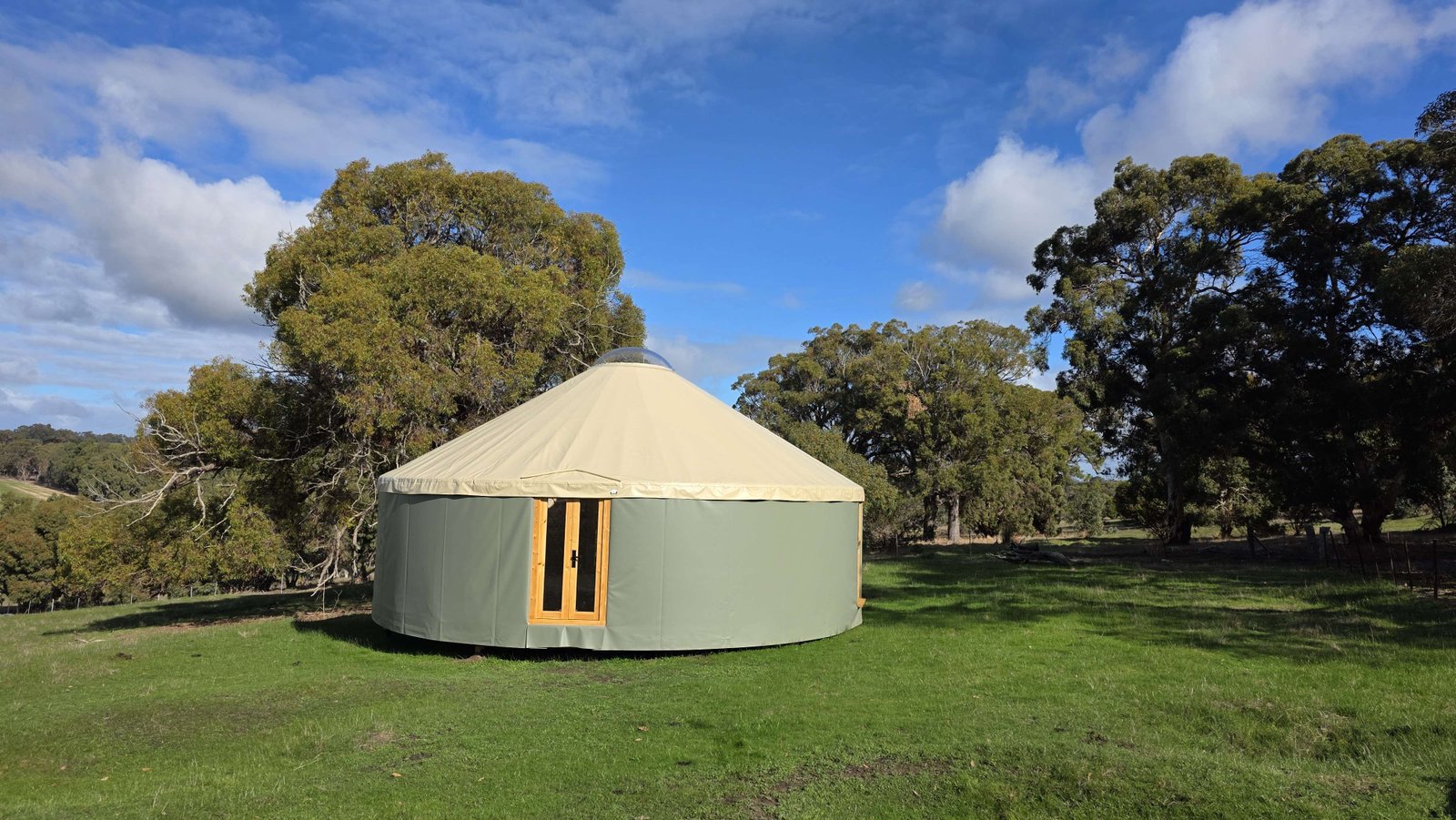
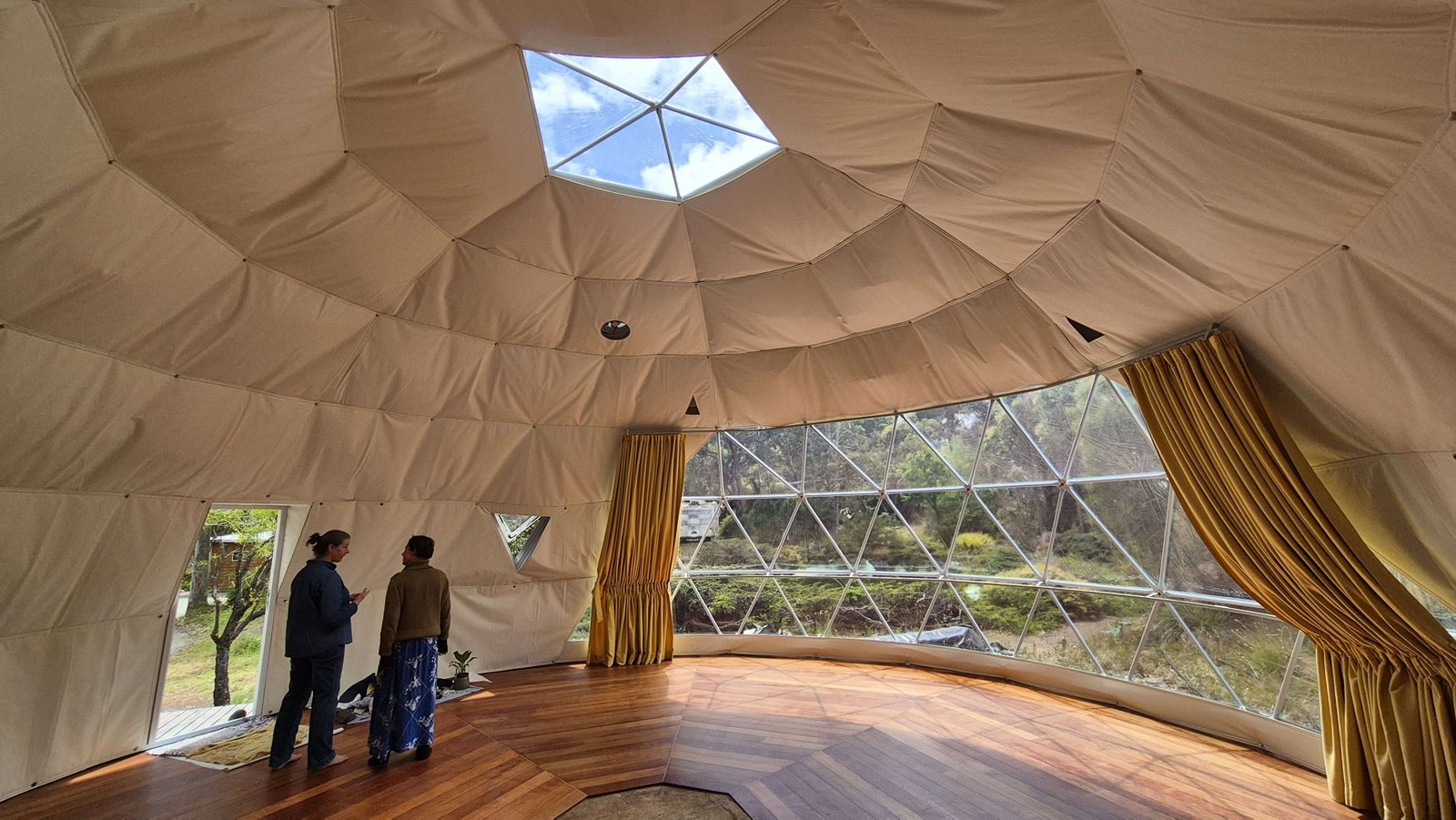
Both can work. Yurts tend to feel warmer, more grounded, and more relaxed. Domes tend to feel more visual, more modern, and more instantly bookable.
The better option is the one that suits your land, your climate, your target guest, and the experience you can actually deliver well. Not what’s trending.
Yurts often suit
- Nature retreats and slower rural stays
- Warm, earthy, romantic positioning
- Owners wanting a softer, grounded guest feel
Domes often suit
- Premium weekend getaways and high-impact views
- Modern styling and highly visual listings
- Sites where instant photo appeal matters
10. A Blunt Checklist Before You Build
Before committing, ask yourself whether the location has real appeal, whether access is easy for guests, whether you’ve properly considered approvals, whether your full project budget is realistic, and whether the finished space will actually justify your pricing.
And be honest about this part: it’s not passive income – especially early on. There’s messaging, cleaning, pricing, maintenance, and all the small operational work that keeps it running properly.
Pressure-test the idea properly:
- Does the location already attract the kind of guest you want?
- Can you deliver a genuinely comfortable experience year-round?
- Have you budgeted for the full project, not just the structure?
- Can the guest experience justify your intended nightly rate?
- Are you prepared for the operational side once bookings start?
Want a Straight Answer on Your Idea?
If you’re planning a yurt or dome project and want an honest take on whether it stacks up, get in touch. We’d rather help you assess it properly now than watch you overspend and try to fix it later.
Email hello@yurtinthedirt.com.au11. FAQs
How much can you make from glamping in Australia?
It varies widely. Strong projects in good locations can perform very well. Others struggle. The key is matching the setup to the market – not chasing the highest possible number.
What occupancy should I assume?
Use a realistic range based on your region. Avoid relying on best-case scenarios.
Are yurts or domes more profitable?
Either can be. The result comes down to execution – not the structure alone.
What do people forget in ROI calculations?
Decks, bathrooms, access, utilities, furnishing, maintenance, and how much guest expectations affect pricing.
Do I need council approval?
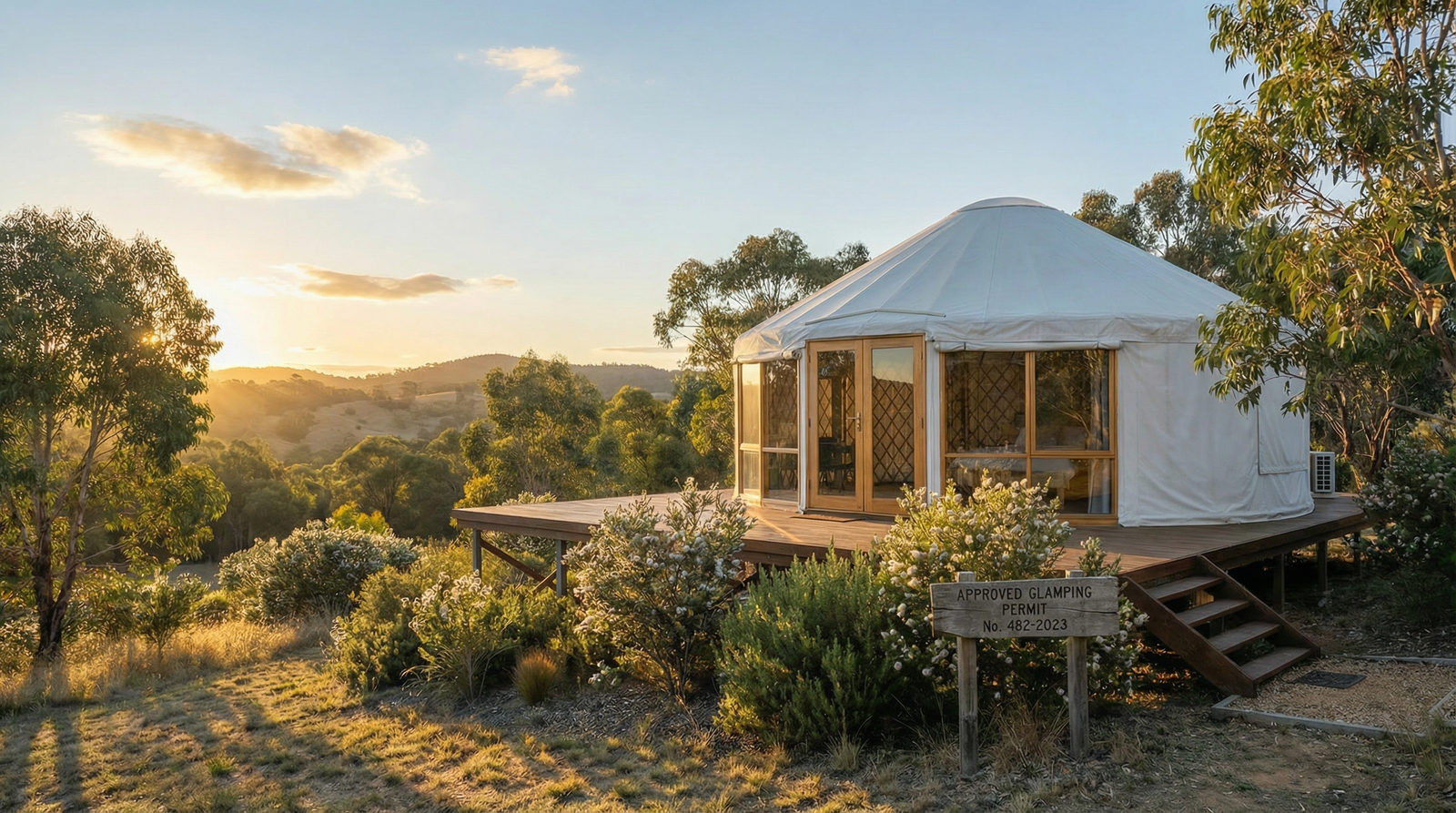
Often yes – depending on use and location. It’s not always straightforward, so it’s worth understanding early. We cover this in more detail across the blog.
 Tags:
Tags: 0 Comments
 Share
Share
 By Ryan Smith