hello@yurtinthedirt.com.au
 +61 489 269 088

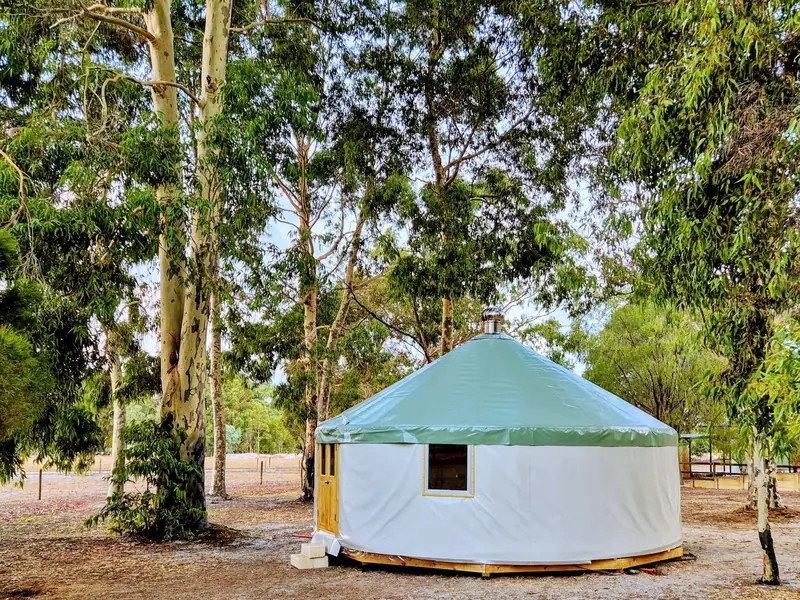

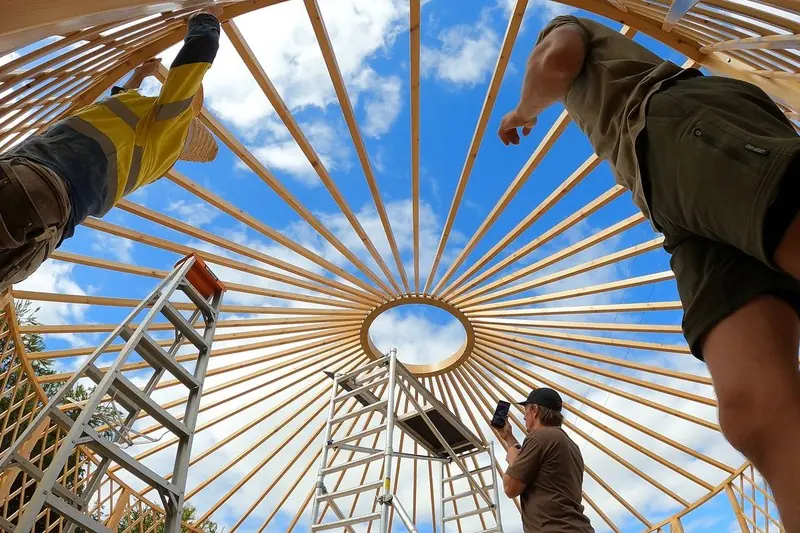
60% heavier timber frame
Handmade, full-timber construction.
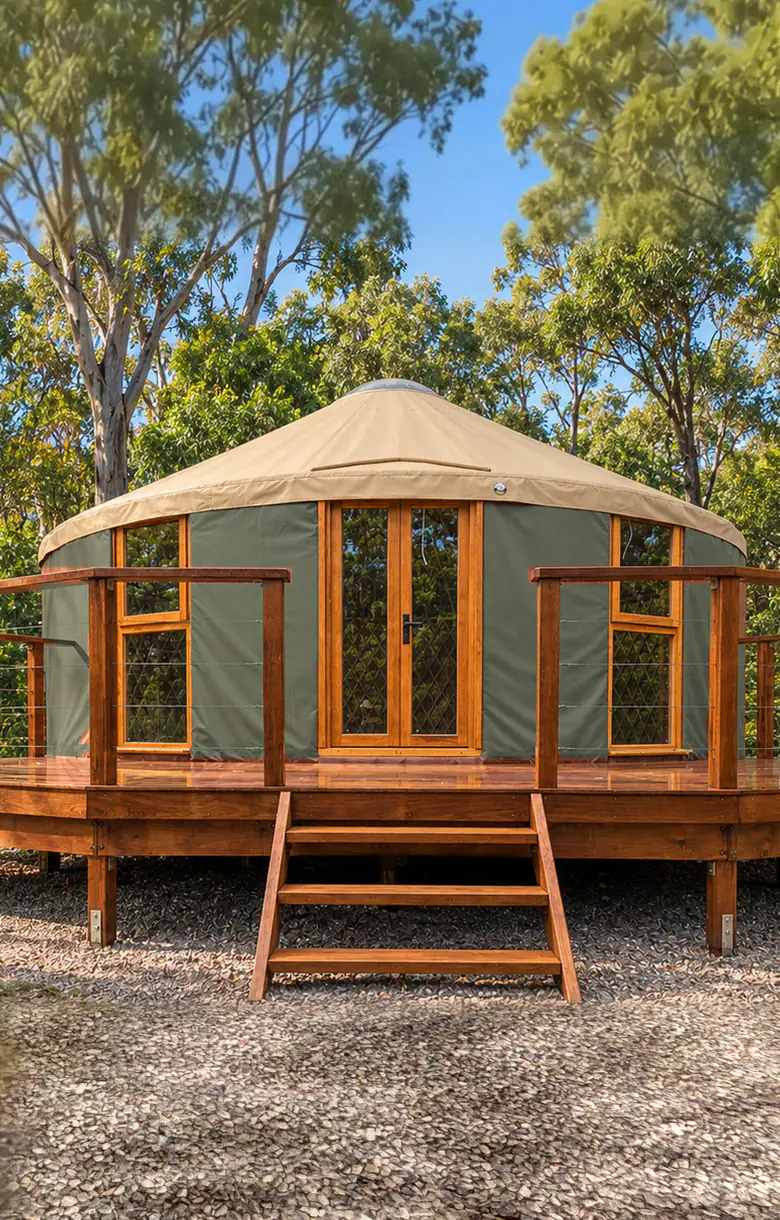
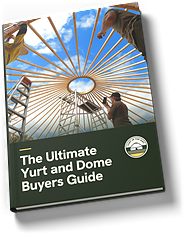
Australia’s favourite yurt, with $1,600+ in savings when you download our free guide.
Everything you need to plan your yurt or GeoDome build with confidence.
Everything we’ve learned from 150+ client builds

Free guide. No spam. No sales calls.
 5.0 on Google
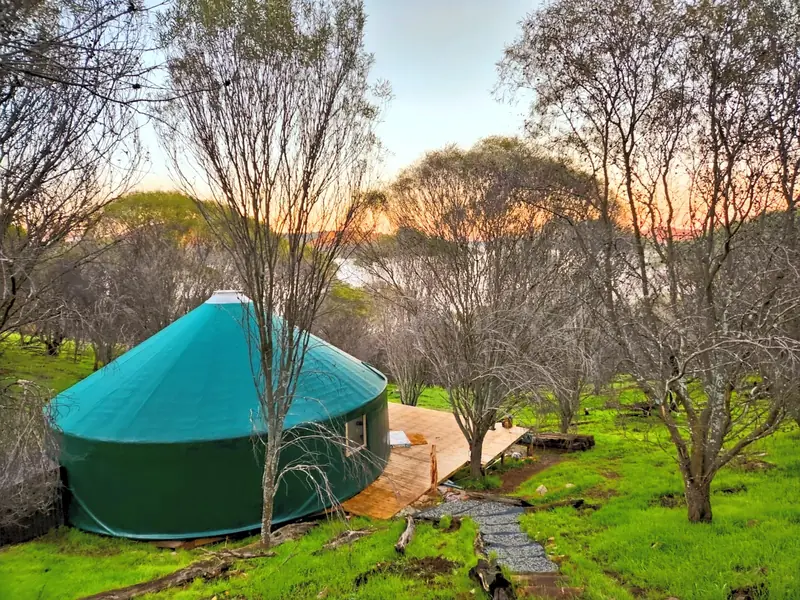
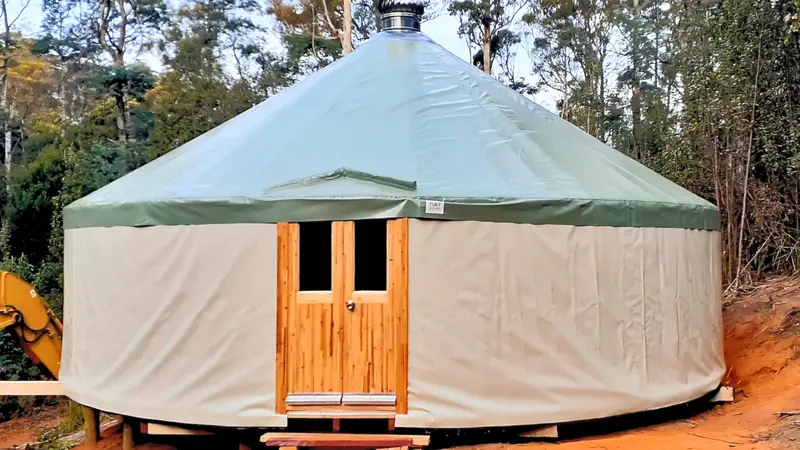
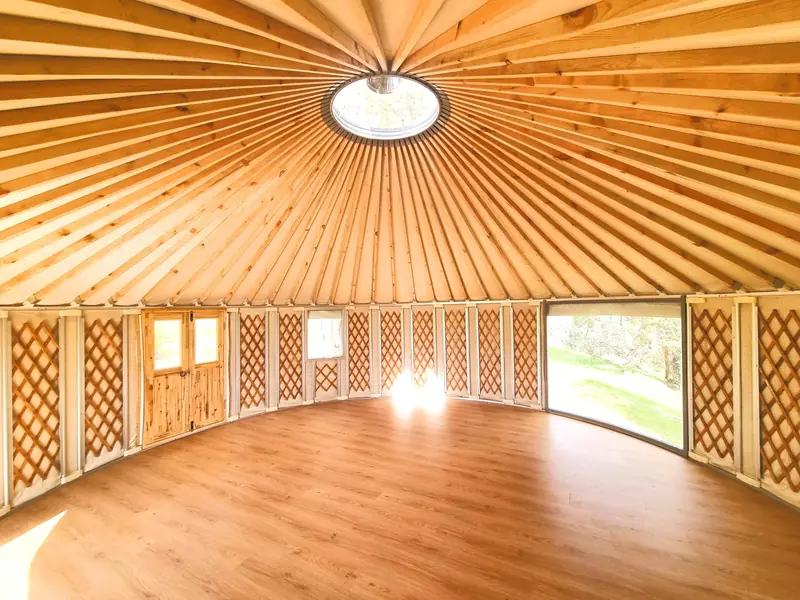
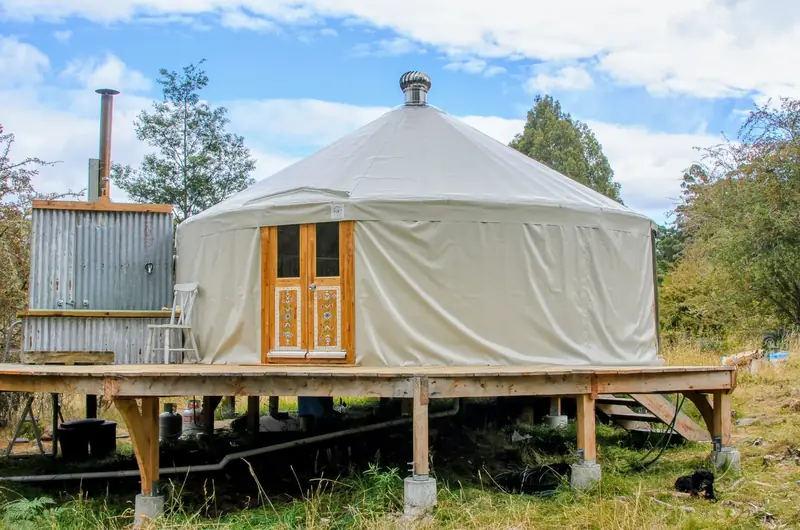
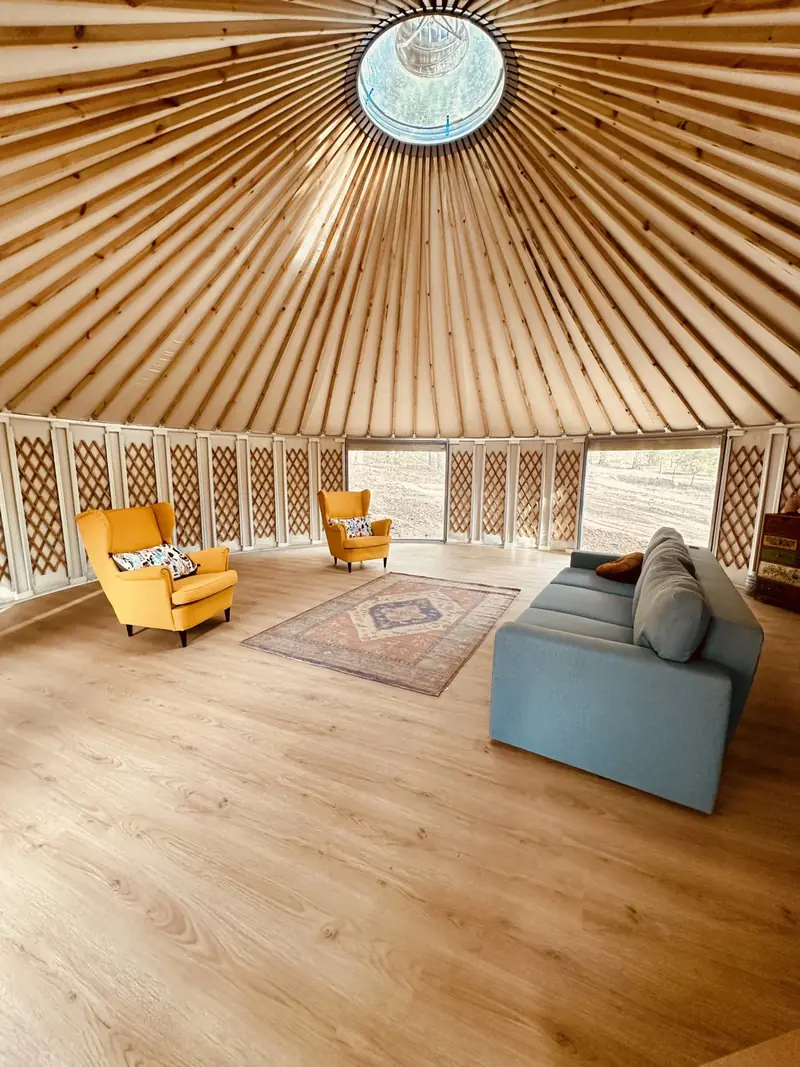
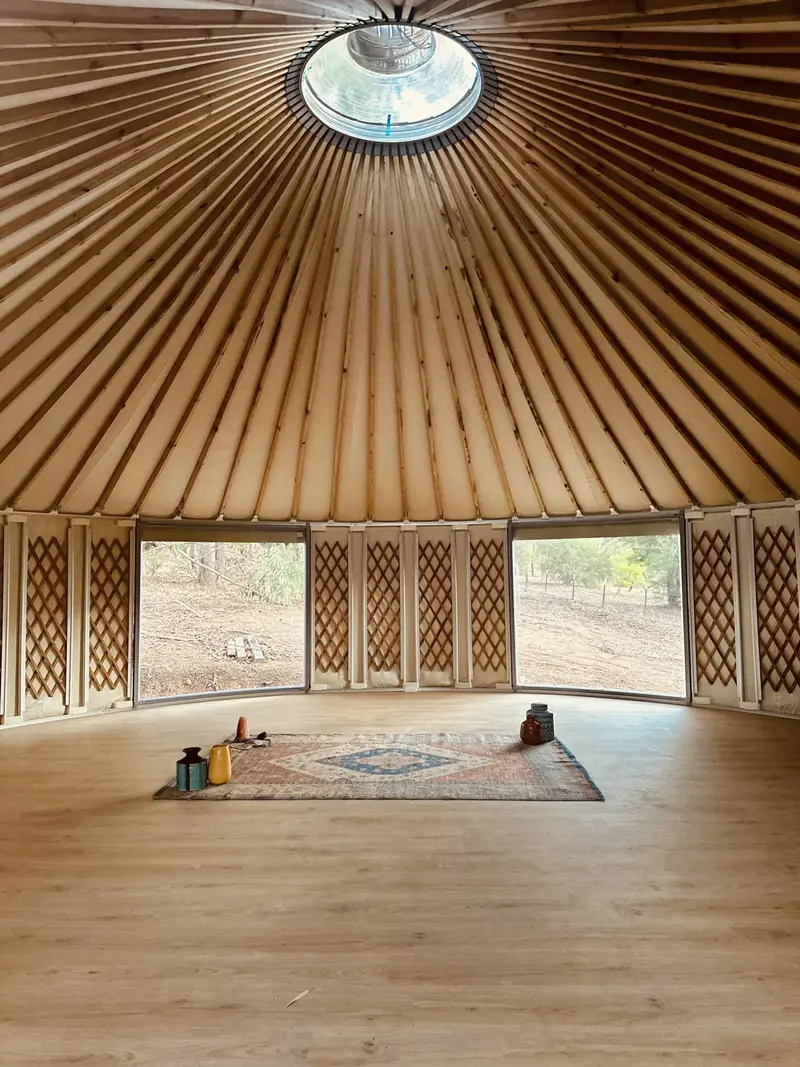
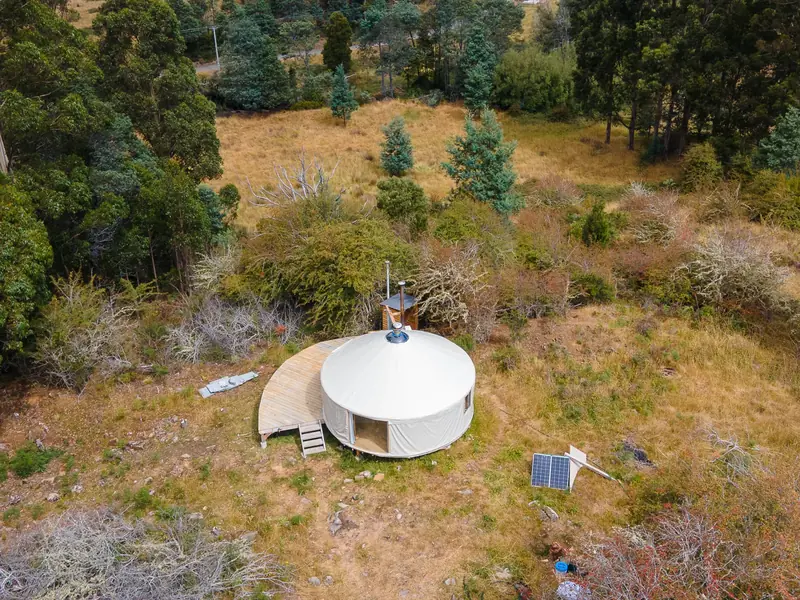
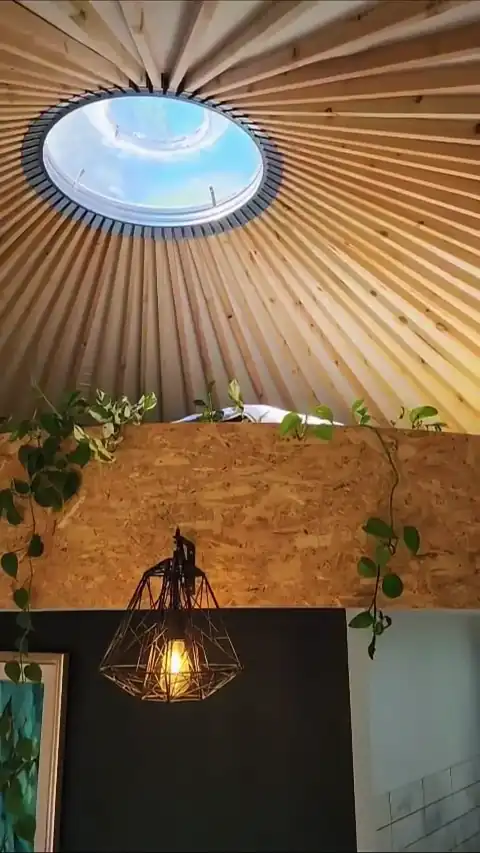
Meet ORON. Our premium yurt kit, built with a heavy-duty timber frame, hardwood doors and windows, natural insulation and a tough matte exterior. Designed for Australian and NZ conditions, without compromising on looks.
$12,415
$14,350
AUD excluding GST. NZ pricing available.
Save $1,935 with your free buyer's guide
Plus free hardwood doors & windows.
Years of living in and building yurts have shaped ORON: stronger construction, better materials and a whole new standard in yurt design.
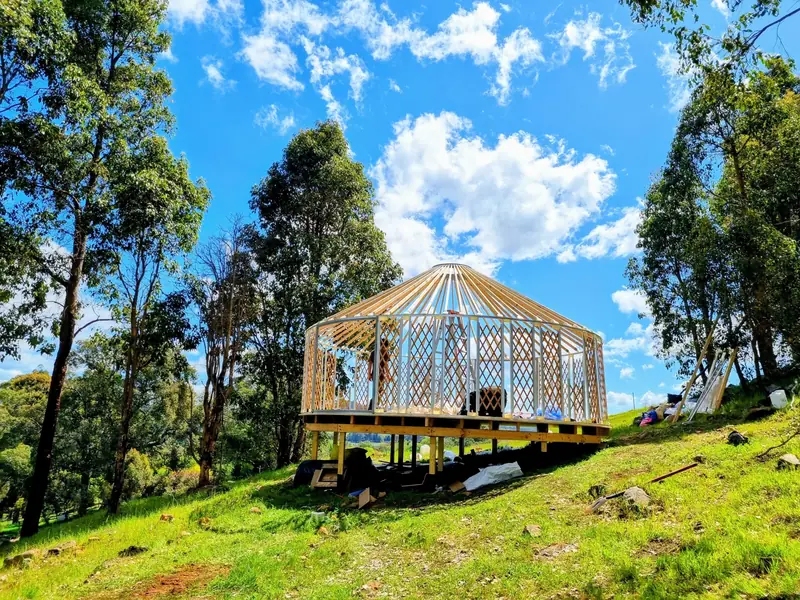
Handmade, full-timber construction.
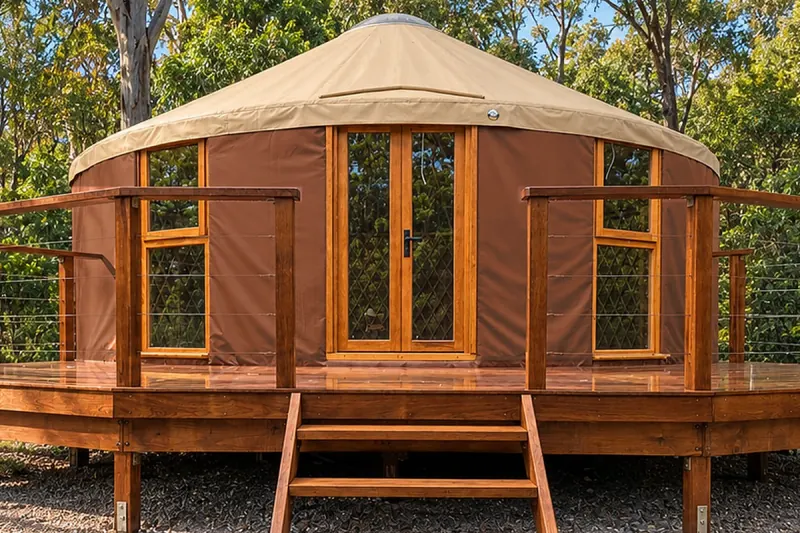
Toughened glass, 7 door styles.
Waterproof, UV-resistant. No shiny plastic look.
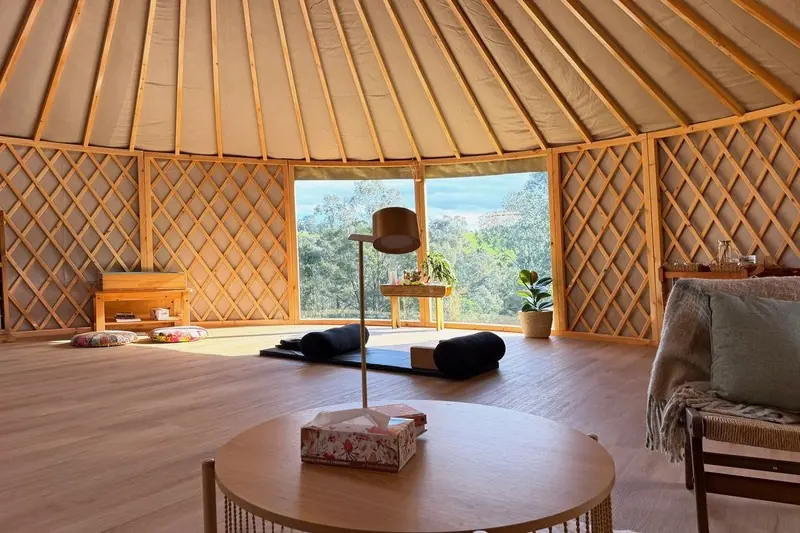
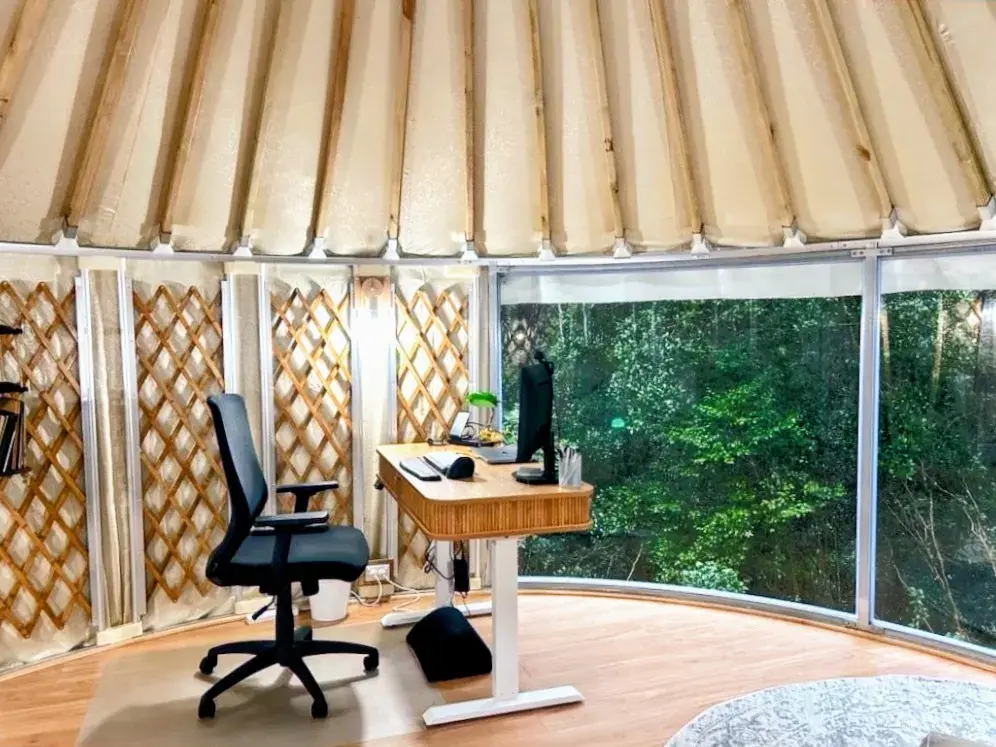
Natural wool felt and Air-Cell options.
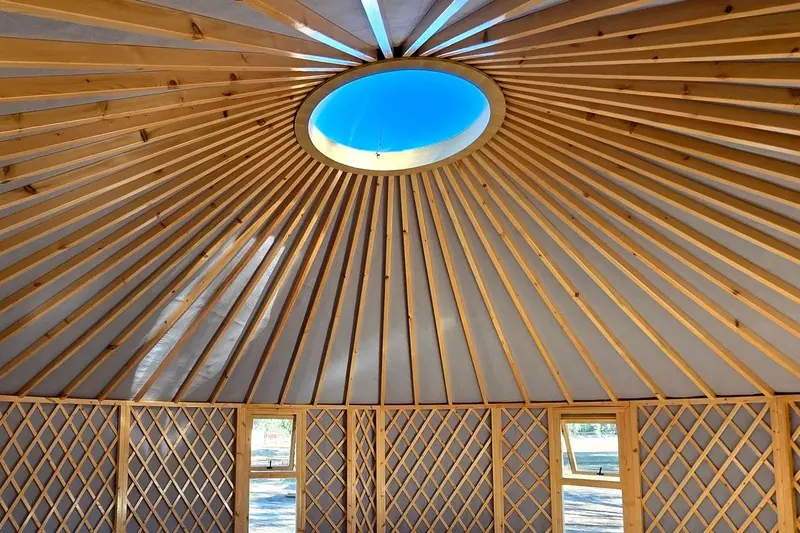
Unobstructed. Strong enough to stand on.
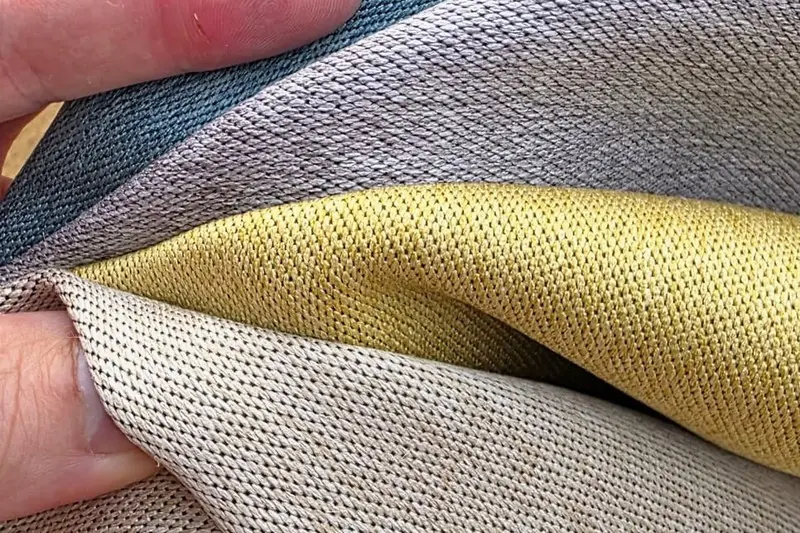
Breathable lining in nine earthy tones.
Hey, I’m Ryan. I started Yurt in the Dirt to make alternative accommodation simple and affordable for people willing to roll up their sleeves and give it a go.
Not everyone wants to drop a fortune on a build or wait months for tradies. With the growing land and housing squeeze, more people are thinking outside the box and finding creative ways to build the spaces they need.
A few years ago, we were in the same boat. My family and I spent four years living off-grid in an 8m yurt on a friend’s farm. It wasn’t just somewhere to stay. It was our home.
Since then, we’ve refined our yurts and domes for Australian and New Zealand conditions, helping people create off-grid retreats, glamping accommodation, backyard studios and even entire accommodation businesses.
If you’re the kind of person who likes to do things differently, you’re in good company. Join our growing community of 150+ clients who’ve built something incredible with our yurts and domes.
note: we sell our Yurts and Domes as glamping tents, they do not comply as permanent dwellings in AU or NZ - more in our FAQ
Ryan Smith
Founder (Yurt in the Dirt)Ryan Smith
Founder (Yurt in the Dirt)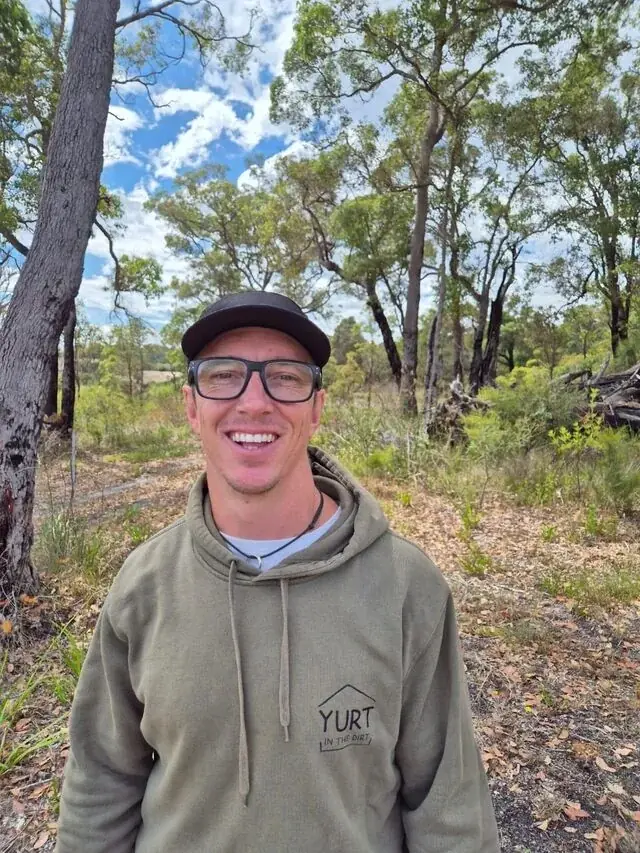
Before you choose us, hear from the people who already have.
ORON · 8m
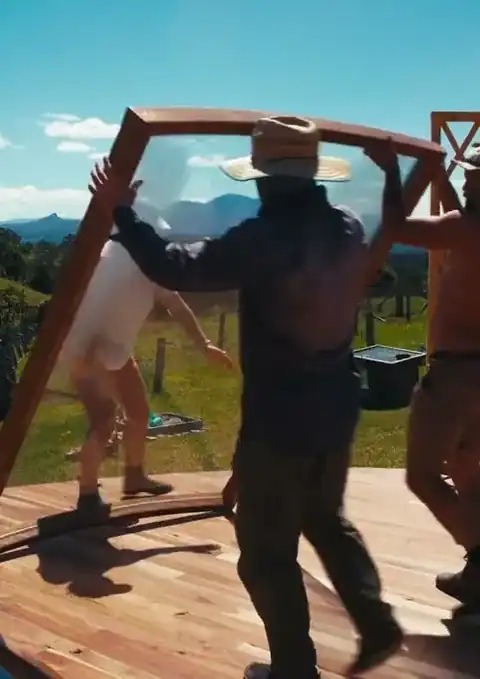
Northern Rivers NSW
For us a yurt from Yurt in the Dirt was the best fit because we could put it up ourselves. We could do it in a couple of days with a bit of help. And it's round, like how cool.
ORON · 8m
Country VIC
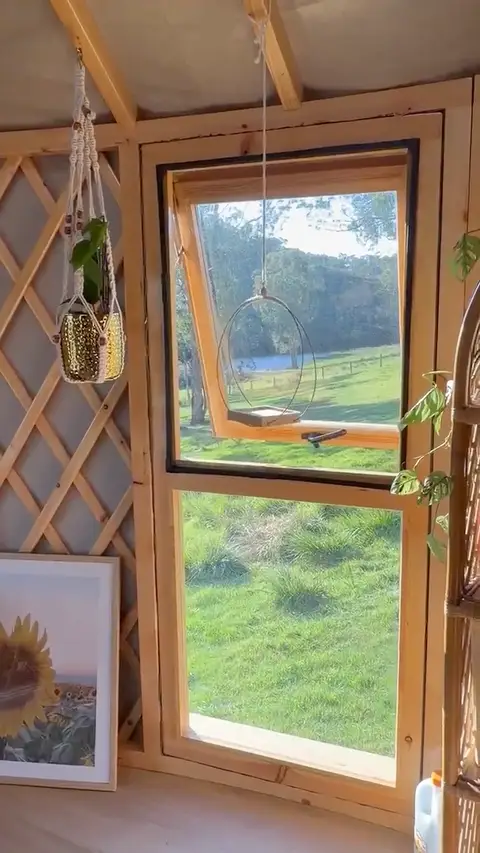
It was a straight forward build and was surprised how quickly it went up with a few helpers! (one weekend) I decided on the additional layer of insulation as we are in outer NE suburbs of Melbourne. It's been really warm inside even without any heating having been installed yet! The cross flow through the two smaller windows brings a beautiful breeze.... Read more
ORON · 7m
Tamworth NSW
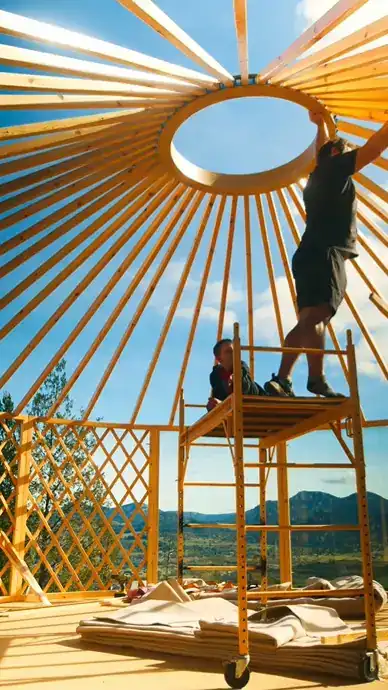
We were looking for something a little different to create an Airbnb and another income stream on our property. The 7m ORON Yurt gave us the flexibility to build the project in stages without taking on another major renovation. Everyone got involved, and it was fantastic for our boys to see something like this come together from the ground up. The yurt sits in a beautiful, secluded part of our property and is going to become a peaceful off-grid eco retreat with an outdoor bath and fire pit. We’re really excited to share this place with others.... Read more
ORON · 8m
Perth Hills WA
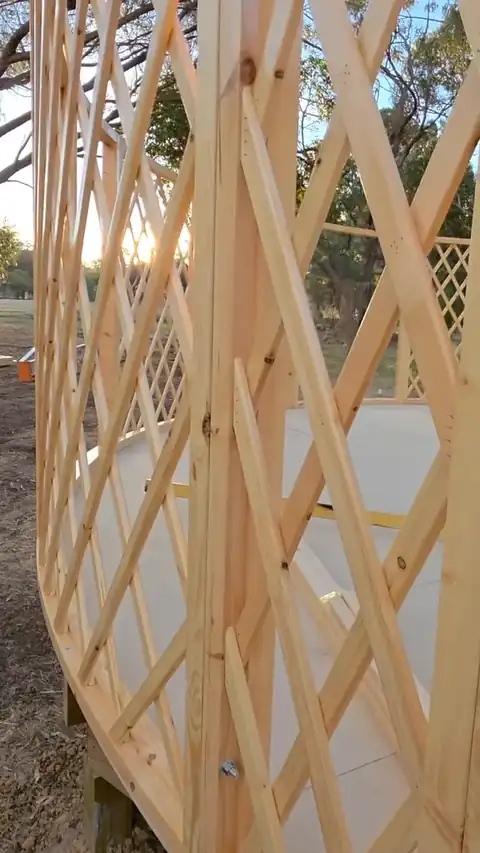
We’ve just finished our 8m ORON Yurt as a Yoga Studio in Perth Hills. Ryan and his team came up to build our deck and yurt for us and they did it start to finish in 5 days. What an incredible space, so much light and warmth. I can’t wait to hold our first Yoga classes and womens circles in this beautiful space! If you’ve been considering it for a while just go for it!... Read more
ORON · 8m
South West WA
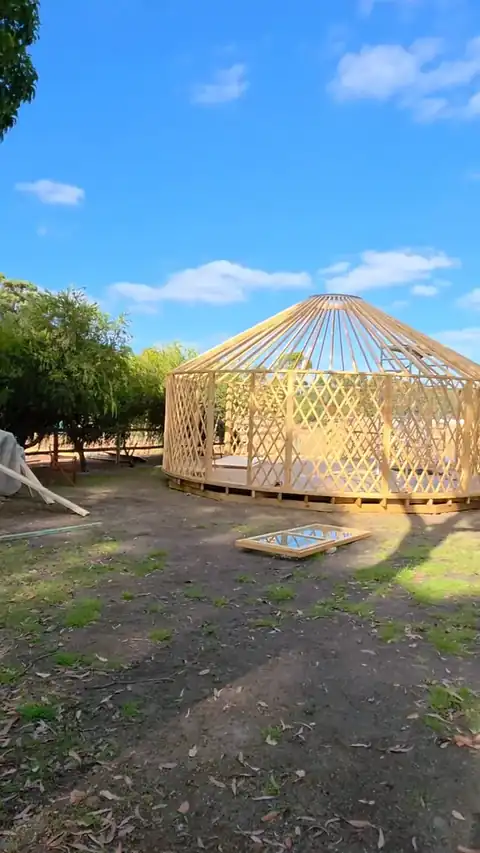
We’ve been working with Ryan and his team over the last 2 years on our eco-retreat project in Western Australia. From the get go they have been incredibly responsive, professional and focussed on our success. We have built 5 yurts so far and have 9 planned in total. We have just built the first of the latest ORON model and I must say the quality is exceptional and a huge step up from the earlier model which we already loved. Their yurts are built from years of personal experience and the results are testament to that. If you’re looking for Australia and New Zealands #1 Yurt company you’ve found them!... Read more
Standard · 8m
Northern Rivers NSW
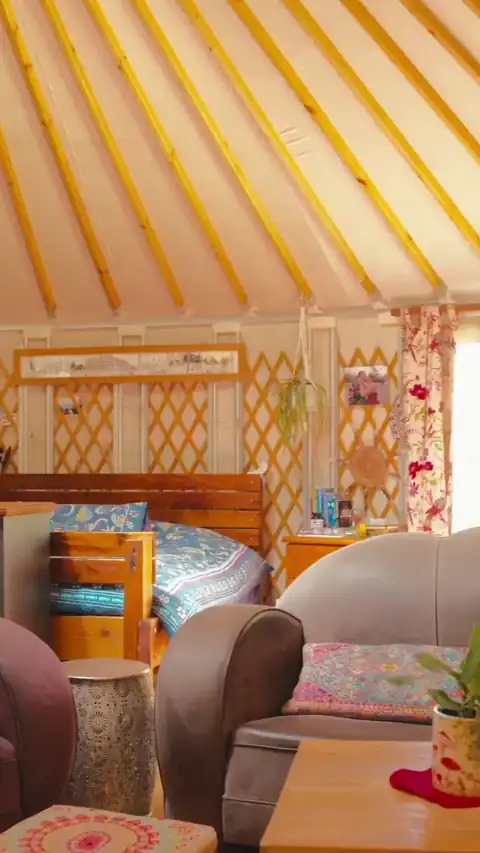
We've been living in our 8m yurt for two years now and it feels homely, there's a warmth about it. During COVID we ended up part of the housing crisis, living in tents and a caravan, until we found Yurt in the Dirt online. I've just not known customer service like it. With the roof like that it feels so spacious, and there's a simplicity to living like this that's really enjoyable. I definitely recommend living in a yurt. Don't overthink it!... Read more
Standard · 5m
Tasmania
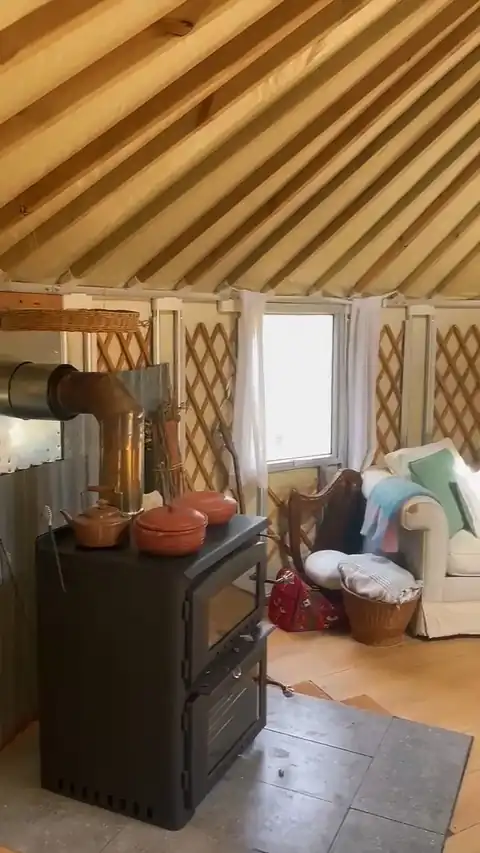
I chose a 5.2m Yurt because it’s a more affordable option for my lifestyle and I wanted to be closer to nature. It took about 2 days to build with the help of 6 friends. The instructional video was easy to follow and Ryan was a big help. I love the simplicity, independence and quiet that the Yurt gives me. I’m fully off grid in Tasmania. I opted for the double insulation option and also a beautiful large window. I would definitely recommend Yurt in the Dirt!... Read more
Standard · 8m
Southern Highlands NSW
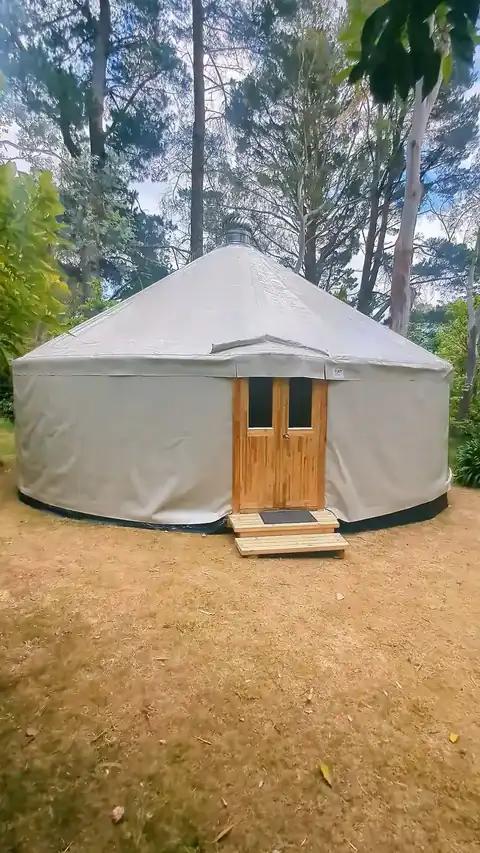
Our experience in working with Ryan from Yurt in the Dirt was exceptional. From the moment of our first enquiry, to our first quote, to keeping us updated all throughout the production and delivery process and all the way to the support he was on hand to offer when we were building our Yurt, his service and attention to detail and his genuine care and assistance was second to none. Ryan was also sensitive to our situation, in launching our latest venture for which we are truly grateful. We want to thank Ryan and the team at Yurt in the Dirt. If you are after a truly high quality product, with exceptional support and assistance you cannot go past Ryan and YITD. Thanks from everyone here – At Home In The World Family Weekends... Read more
Standard · 8m
Tasmania
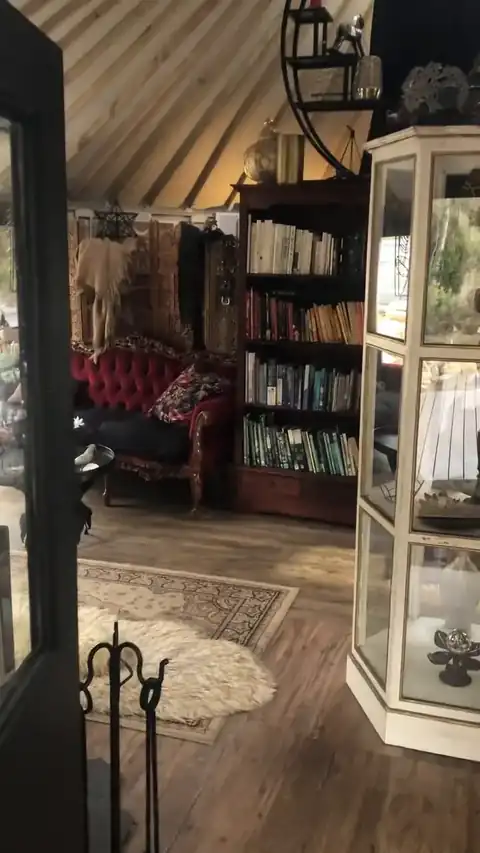
I’ve had a great experience so far with the company- my yurt arrives tomorrow and I’m so excited!! I had a few extra logistics with shipping as I’m in Tasmania and everything was done to make it smooth as possible for me. Very friendly, knowledgeable and prompt customer service, thanks Yurt in the Dirt!... Read more
Standard · 8m
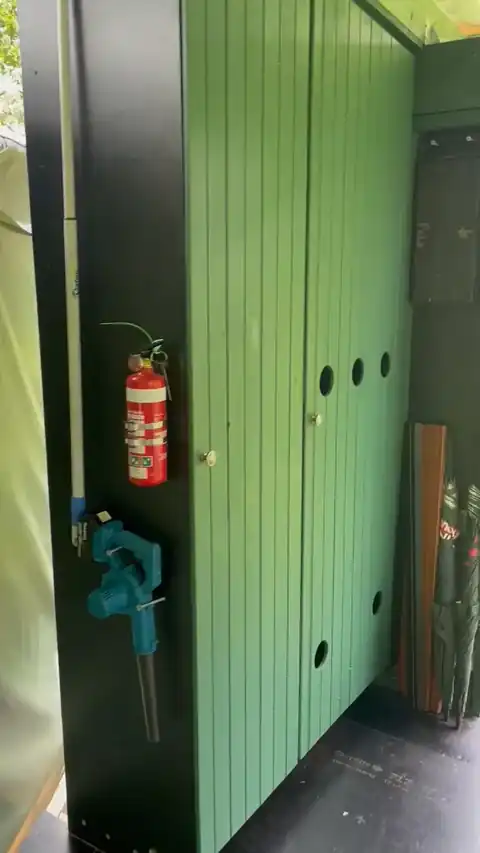
Northern Rivers NSW
Yurt in the dirt is really awesome to work with! Ryan helped us all the way through our building our new home! Starting out from our rough ideas he helped us every step of the way… we now have an awesome 8 metre yurt to live in:) Thanks again Ryan ⭐️⭐️⭐️⭐️⭐️ Paul and Astara... Read more
Standard · 5m
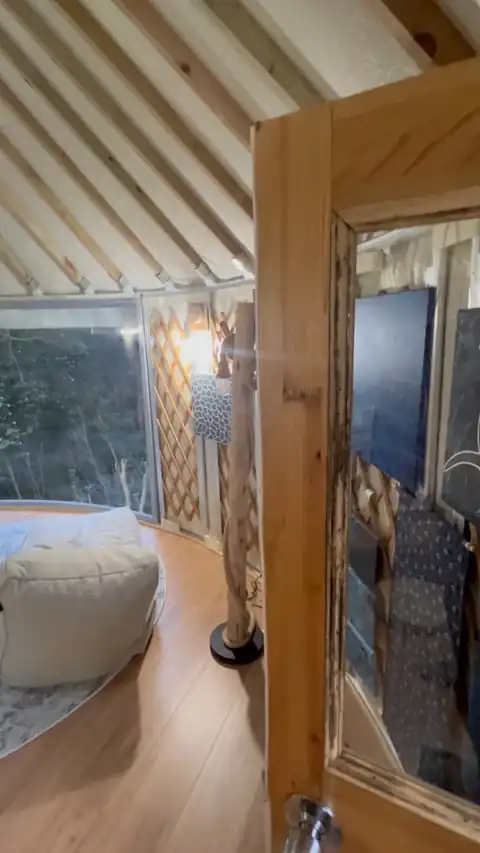
Sydney NSW
I’m stoked to have our new office up and running. Ryan was very responsive from beginning to end and the yurt was relatively easy to build. The 5.2m Yurt makes a great home office and sits just below the 20sqm rule for local council.
Geo Dome · 8m
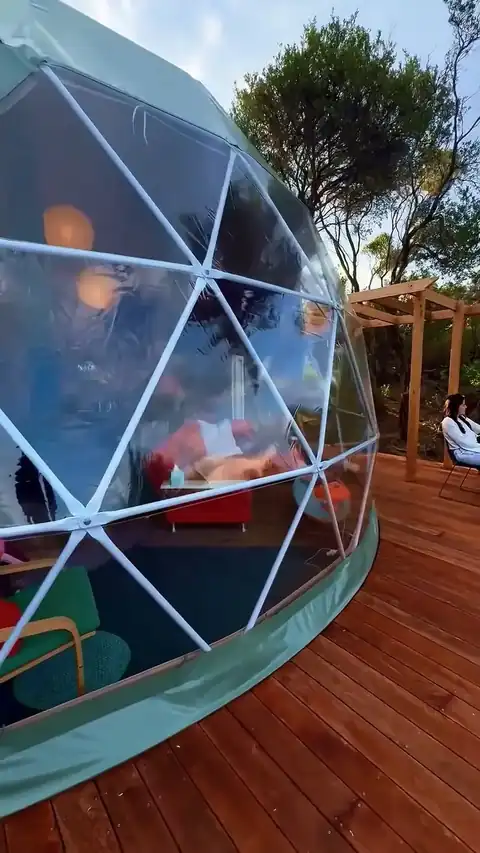
Melbourne VIC
I contacted Ryan after copious research and having already built a yurt some time ago… I was SO IMPRESSED with his service and approach. He had high quality deck plans, was happy to answer all my in depth questions and eager to assist in planning. Highly recommended and look forward to working with him again... Read more
Standard · 4.5m
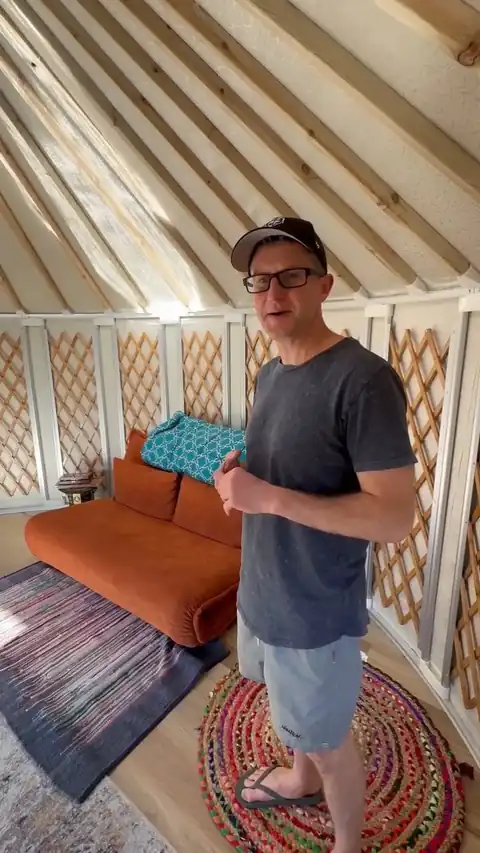
Rural VIC
I absolutely love my Yurt in the Dirt. Ryan was super helpful in the process of getting it here and the instruction videos worked really well. The whole family really enjoys using it! The 4.5m was perfect for our rural weekender.
Standard · 8m
Wheatbelt WA
We are so thrilled with our yurt. We bought the 8m one and cannot believe how spacious it is. Dealing with Ryan has been such a pleasure, great to see that old fashioned service is still alive. We were kept in the loop throughout and although we collected it ourselves he has been there the entire process. As for the yurt itself what a great product and so well priced. We had friends and family over two days to build the entire yurt, followed the video and it was easy, heavy but easy. Love the new colours available we were too early for them. We have thoroughly enjoyed the journey and highly recommend Yurt in the Dirt.... Read more

0
0
Week
0
0
Days
0
0
Hours
0
0
Minutes
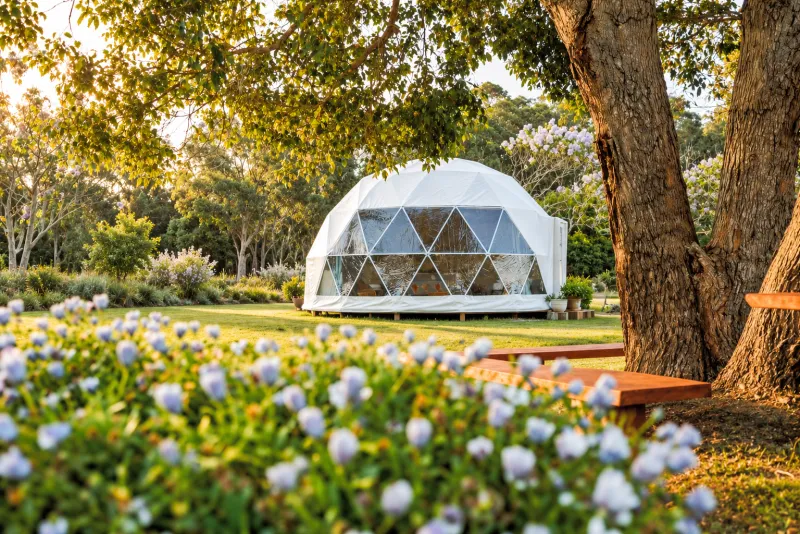
Our GeoDome kits combine incredible structural strength with lightweight, weatherproof construction. Designed for off-grid accommodation, glamping, studios and creative spaces.
AUD excluding GST. NZ pricing available.
Turn spare land into a glamping stay guests remember. A yurt or geodome gives your property a reason to be booked, from one cosy farm escape to a full glamping retreat.
Thinking about living small? A yurt makes a tiny home that feels anything but tiny, with a high ceiling, natural light and room to move.
Take work off the kitchen table. A backyard studio or office gives you a quiet, light-filled space a short walk from the house.
Give your practice a dedicated space of its own, for daily yoga, group classes, meditation, massage, Reiki or sound healing.
Give family and friends a space of their own when they visit. A guest yurt means more privacy for everyone, and nobody's sleeping on the couch.
Somewhere to make music, paint messy or create without packing up every night. A yurt studio gives your creative work its own home.
Straight answers to your top questions
We offer yurts in 4.5m (16sqm) all the way to 12m (100sqm). We offer geo domes in 5m, 6m, 7m, 8m and 9m sizes, with larger custom dome sizes also available.
If you are comparing sizes for glamping, guest stays or living use, download our Ultimate Buyers Guide on www.yurtinthedirt.com.au
The price includes the structure itself, including the frame, outer cover, insulation, windows, doors and the hardware required for assembly. It also includes shipping to major Australian and New Zealand ports.
The price does not include your deck or platform, site works, and the final delivery leg from the port to your property unless separately arranged. We do have a full set of decking plans available for all of our sizes. Simply call or email us for your copy.
Delivery usually takes around 10 to 12 weeks from order to arrival. We ship to your nearest Australian or New Zealand capital city port by sea freight (Perth, Melbourne, Sydney, Brisbane, Adelaide, Auckland, Christchurch) and can also arrange final delivery at a cost. For urgent orders, contact us to discuss options.
Most of our customers find installation straightforward with 2 to 4 people for the smaller sizes and 4+ for the bigger sizes. The process takes 2 to 3 days for most clients. No specialised skills are usually required for the Yurt or Dome build itself, but the platform or foundation will need basic carpentry skills. We provide decking plans for building your platform, and we also have written and video instructions and phone support for the Yurt or Dome build. We can also provide a full build service if required with a growing network of tradies around Australia and New Zealand. See our other FAQs for a list of general tools required.
Our Yurt and Geo Dome outer covers usually last 7 years before needing replacement (a replacement cover at that stage will cost approximately $2,000 delivered depending on size). The frame, doors, and windows can last 15+ years with proper maintenance.
We offer a 3-year warranty on all Yurt and Dome components we supply, including the frame, cover, insulation, windows, solar fans, and more. This warranty covers defects in materials and workmanship under normal use.
Please note the warranty does not cover general wear and tear, damage from extreme weather events (fire, flood, storm), modifications or repairs made by third parties, or improper setup, misuse, or neglect. To make a claim, you'll need your proof of purchase. We'll repair or replace any defective parts (or offer an equivalent solution).
We go above and beyond to keep our clients happy, which you'll see in our reviews. These warranty terms are about keeping things fair, but rest assured we'll always do our best to resolve any issues quickly and to your satisfaction.
Yes. We have finance options available for eligible yurt and geo dome purchases, usually starting from around $500 per month. Get in touch with our finance providers here https://www.gefinance.com.au/financepartners/yurt-in-the-dirt or contact us for more information.
Somewhere in between, and that's the beauty of it. A yurt tent is usually a canvas wrap over a light frame, made for a season or two. An ORON is a whole different animal. It's a handmade full-timber frame with hardwood doors and windows, insulation, and a skylight you can stand on. That's why a lot of our clients end up treating theirs like a little yurt house. It arrives as a DIY yurt kit, and most people put it up in 2 to 3 days with 2 to 4 friends. For residential use, be aware that yurts/domes don’t comply with AU or NZ Building Standards and are sold as 'glamping tents'
Got questions or ready to get started? Drop us a message - we're here to help
Get a quote
Tell us a little about your plans and we’ll put together a quote for your ORON yurt or Geo Dome.
No obligation. Prefer to talk? Call +61 489 269 088
Before you go
Unlock $1,600+ in savings
Free. No spam, no sales calls.
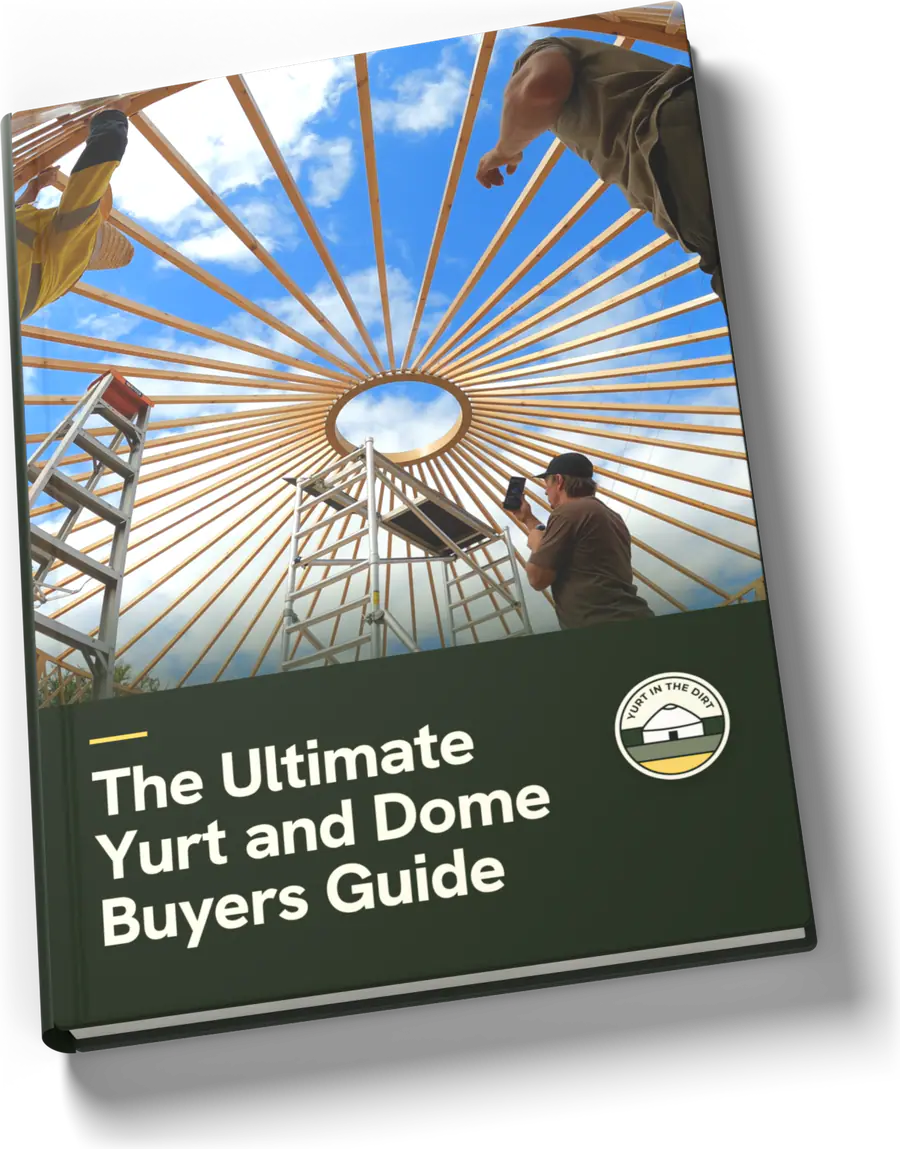
Free buyer’s guide
Sizes, options, decking and the build, step by step. Plus save $1,600+ on your ORON.
Free. No spam, no sales calls.
 +61 489 269 088